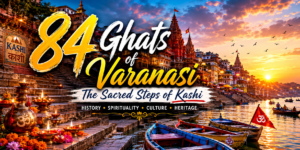
Located at the union of the River Ganga and Assi river, Assi Ghat is known for its historical importance and mythology. The ancient history reveals that the Goddess Durga threw her sword in the river after killing the demon Shumbha-Nishumbha after which the place was named Assi ghat. The Assi Ghat also finds its roots and mentions in the holy Kashi Khand as Assi “Saimbeda Tirtha ”, which means the one who takes bath in this divine river gets the Punya of all other prominent thirthas.
The ghat contains a massive Shiva lingam that is situated under the peepal tree. People often visit the place to offer their prayers to the Shiva lingam after taking a holy bath in the river. Assi ghat has been also described in ancient Hindu literature such as in the Matsya Purana, kurma Purana, Padma Purana, Agni Purana and Kashi khanda.
History & Significance
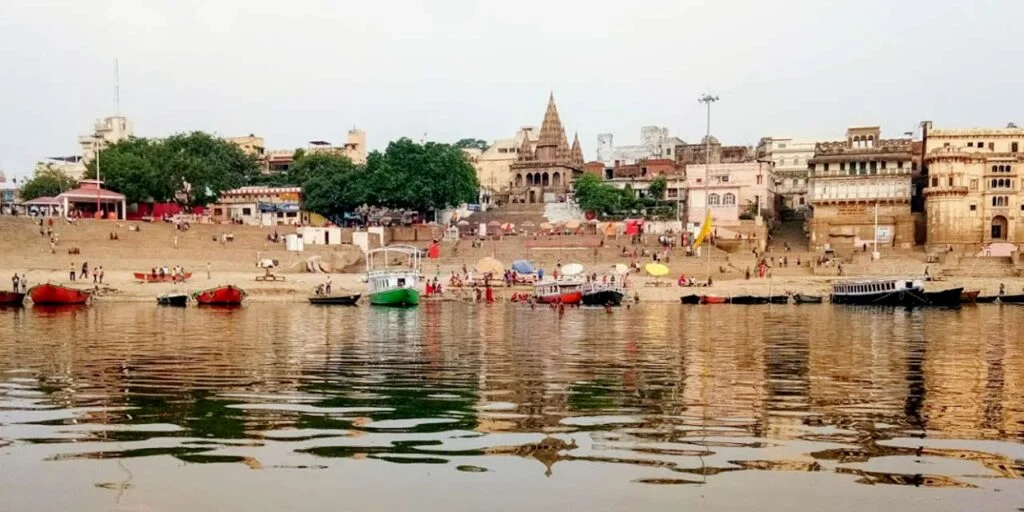
Apart from its historical significance, this place is also heaven to the eyes. One can witness some of the beautiful and eye-captivating scenes and nature from the riverbank site and can freely walk around the ghat to enjoy the panoramic view of the Ganga River.
This is the second most popular ghat in the City after Dashashwamedh ghat. Visitors can enjoy the divine Arti and Hindu rituals to feel the holy aesthetic of the place.
Assi Ghat is everyone’s preferred ghat, located in the south of Varanasi, to spend hours without any disturbance. People from all the corners of the country as well as the globe visit this place for its deep significance and holiness.
Assi Ghat Aarti Timings
Aarti
Summer (Mar–Oct)
Winter (Nov–Feb)
Morning Aarti
5:00 AM
5:30 AM
Evening Aarti
6:30 PM
6:00 PM
Subah-e-Banaras starts
5:00 AM
5:30 AM
Subah-e-Banaras ends
7:00 AM
7:30 AM
Best Time to Visit Assi Ghat, Varanasi
By Season:
October to March (Peak Season) This is the best time for most visitors. The weather is cool and pleasant, making it ideal for early morning visits, boat rides, and long walks along the ghats. Winter mornings at Assi Ghat have a particular magic, the mist rising from the Ganga, the warmth of oil lamps, the steam from hot chai cups clutched in cold hands.
July to September (Monsoon) — The Ganga swells dramatically during the monsoon, and the water level often reaches the upper steps of the ghat. It’s a dramatic, photogenic sight, but accessibility can be limited. Boat rides are restricted for safety during this period.
March to June (Summer) — Manageable if you stick to early morning visits. The summer Aarti starts earlier at 5:00 AM, so the heat is not yet intense. By mid-morning, the ghat gets very warm.
Best Festivals to Visit:
Mahashivaratri – The entire ghat transforms into a sea of devotion. Thousands gather to offer prayers at the Shiva Lingam through the night.
Ganga Mahotsav – Varanasi’s grand five-day cultural festival celebrated in October/November. Assi Ghat hosts spectacular performances and Aarti ceremonies.
Ganga Dussehra – A ten-day festival celebrating the descent of the Ganga from heaven. Bathing at Assi Ghat on this day is considered especially auspicious.
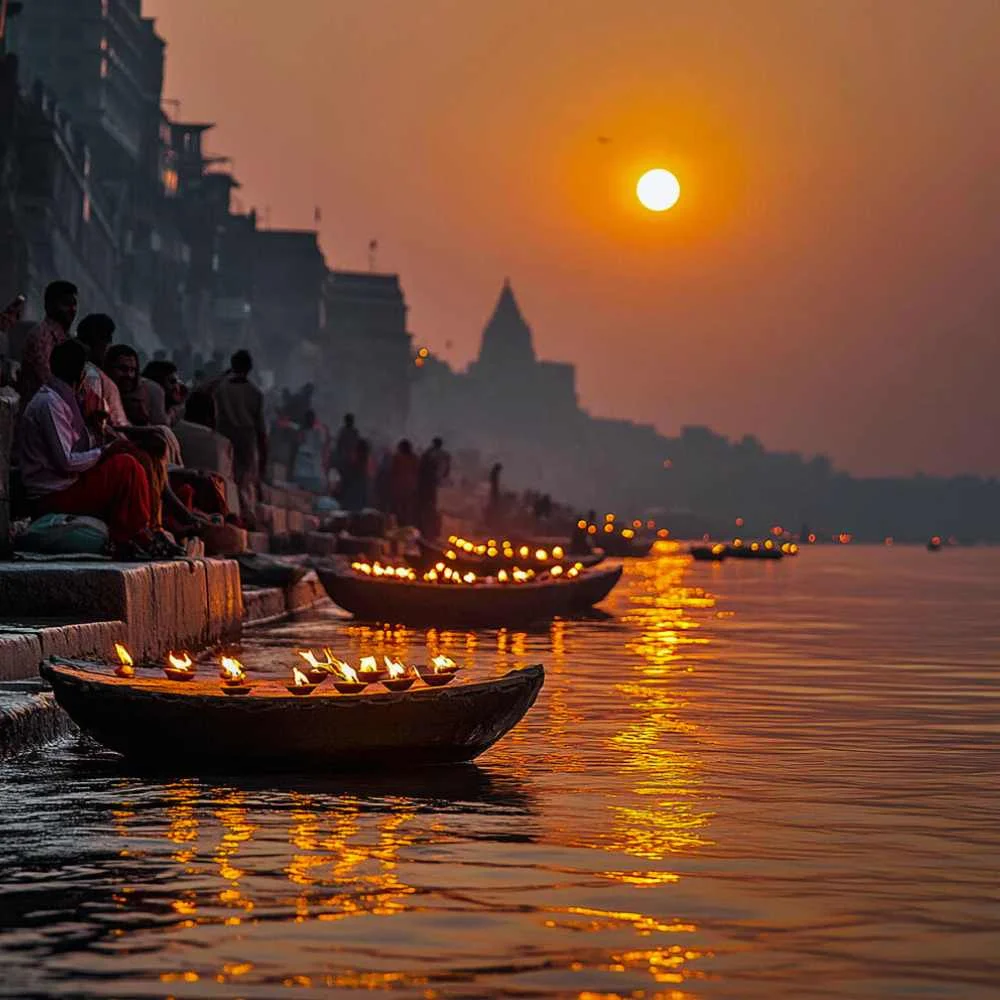
Dev Diwali – The “Diwali of the Gods,” celebrated on Kartik Purnima (full moon). The entire stretch of ghats lights up with hundreds of thousands of earthen lamps (diyas). One of the most visually stunning nights of the year anywhere in India.
Shubh-e-Banaras at Assi Ghat Timings
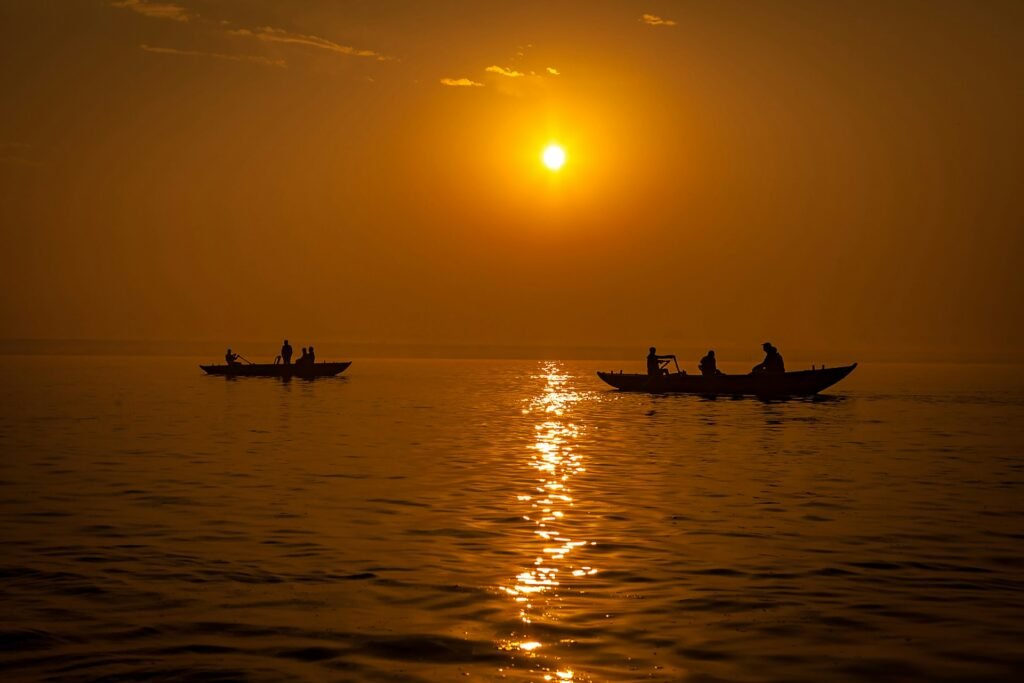
One of the most revered towns in India, Varanasi, is encapsulated in its captivating morning ritual, Subah-e-Banaras. Taking place every day at Assi Ghat, this event provides a perfect combination of spiritual energy and scenic beauty, making it an essential experience for any traveler to Varanasi. The day starts with yoga classes, live music, and the spiritually uplifting Ganga Aarti as the sun rises over the Ganges.
Launched on November 24, 2014, by the Honorable Minister of State of Uttar Pradesh, Subah-e-Banaras was created to bring people together to witness and partake in the spiritual awakening of the city. This initiative invites locals and tourists alike to embrace the tranquil yet vibrant atmosphere that Varanasi is famous for. A dedicated committee has been established to promote and sustain this event, which has become a cornerstone of Varanasi’s cultural and spiritual identity.
If you’re looking for something different to do when you wake up in Varanasi, Subah-e-Banaras delivers an amazing experience. This is a soul-nourishing event for anyone who loves the beauty of dawn, practices yoga regularly, or is just spiritually seeking guidance. By including well-known searches “spiritual tourism in Varanasi,” “Ganga Aarti at Assi Ghat,” and “morning rituals in Varanasi.”
Start Time
05:00 AM (Summer)
05:30 AM (Winter)
End Time
07:00 AM (Summer)
07:30 AM (Winter)
Duration
Approx 2.30 Hours
Programs
Tribute to ‘Panchbhutas’
Classical music
Yoga
Visitor FAQ
Everything you need to know about Assi Ghat, Varanasi
Answers to the most searched questions — timings, travel routes, entry fees, and what to expect when you arrive.
10Questions answered
6Cities covered
FreeEntry to ghat
Assi Ghat is the sacred confluence of the Ganga and Assi rivers — a spot revered in ancient Hindu scriptures including the Kashi Khanda, Matsya Purana, and Kurma Purana. It is home to the daily Subah-e-Banaras morning program, an ancient Shiva Lingam beneath a centuries-old Peepal tree, and the deeply moving twice-daily Ganga Aarti. It is also the southernmost of Varanasi’s 88 major ghats.
Ganga Aarti at Assi Ghat is performed twice daily:
Morning Aarti: 5:00 AM (summer, Mar–Oct) / 5:30 AM (winter, Nov–Feb)
Arrive at least 20–30 minutes early, especially for the evening ceremony on weekends and festival days.
Subah-e-Banaras (“Morning of Banaras”) is a free daily cultural program at Assi Ghat, launched on 24 November 2014. Every morning it features open yoga sessions, live classical music (morning ragas on sitar and tabla), Ganga Aarti at sunrise, and a Panchbhuta tribute ceremony.
Start: 5:00 AM (summer) / 5:30 AM (winter)
Duration: approximately 2.5 hours
Entry: Completely free — no tickets, no registration required
By Train: Vande Bharat / Rajdhani to Varanasi Junction — 5.5–8 hrs. Auto-rickshaw to ghat: ~20 min, ₹80–120.
By Flight: Delhi to Varanasi — 1.5 hrs. Cab from airport to ghat: ~45–60 min (₹600–800).
By Road: ~820 km via NH19 — approximately 10–12 hrs.
By Flight: Mumbai (BOM) to Varanasi — approximately 2 hrs. Daily flights on IndiGo, Air India, SpiceJet. Cab from airport to ghat: 45–60 min.
By Train: Mahanagari Express / Kamayani Express — approximately 24–28 hrs overnight.
By Train: Gomti Express / Jan Shatabdi — 3–4 hrs. Multiple trains daily.
By Road: ~300 km via NH56 — 5–6 hrs by car or taxi.
By Bus: UPSRTC and private coaches — 5–6 hrs. A popular weekend option.
From Varanasi station to Assi Ghat: 20–25 min by auto-rickshaw (₹80–120).
Varanasi Junction (station code: BSB) is approximately 5–6 km from Assi Ghat. By auto-rickshaw or e-rickshaw the journey takes 20–25 minutes; fare approximately ₹80–120. Cycle-rickshaws are also available at a slightly lower fare and offer a more atmospheric ride through the old city lanes.
Yes — completely free. There is no entry fee for the ghat, the Ganga Aarti, or the Subah-e-Banaras morning program. No tickets or registration required. Simply arrive and experience Assi Ghat as millions of pilgrims and visitors have done for centuries.
October to March, at dawn — the sweet spot. Cool weather, clear Ganga water, and the Subah-e-Banaras program create an experience hard to replicate at any other time. Key festivals:
Dev Diwali (Kartik Purnima, November) — thousands of diyas light the entire ghat
Ganga Mahotsav (November) — five-day cultural festival with classical performances
Mahashivaratri (February/March) — all-night vigil at the Shiva Lingam
Avoid midday visits in summer (April–June). Early morning or evening is ideal year-round.
Absolutely. The Ganga Aarti and Subah-e-Banaras are open to everyone — regardless of religion or nationality. Varanasi has always welcomed spiritual seekers of all faiths. Modest dress and a respectful, mindful presence are all that is asked of visitors.